


Large Room True HEPA Air Purifier: 4-Stage Filtration Tips
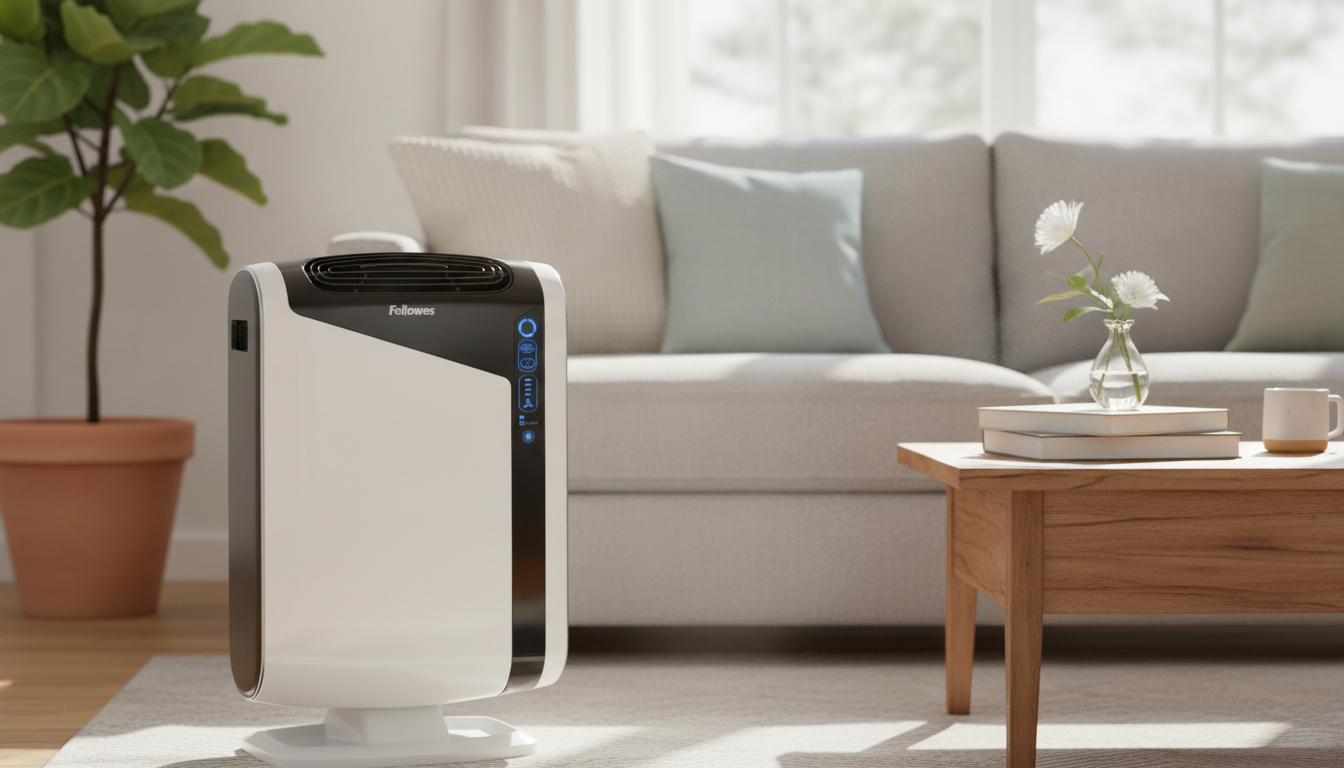
Large Room Air Purifier with True HEPA Filter and 4-Stage Filtration: What It Does and How to Use It Well
Cleaner indoor air depends on matching the purifier to the space, understanding what each filter stage captures, and keeping airflow unobstructed. A true HEPA, multi-stage purifier is built to handle everyday household particles (and the odors that tend to come with real life) more consistently than single-layer designs. Below is a practical breakdown of how 4-stage filtration works in larger rooms, what “coverage” actually means, and how to keep performance steady over time.
What 4-stage filtration means in everyday use
“4-stage filtration” usually means each layer is responsible for a different slice of the air-quality problem. Instead of one filter trying to do everything, the system stacks functions: larger debris first, then fine particle capture, then odor control, then a final polishing step.
Stage-by-stage: what each layer does
- Stage 1 (pre-filter): Catches larger particles like dust, lint, and pet hair so the finer filters don’t clog as quickly.
- Stage 2 (true HEPA): Targets fine particulate matter (including many allergy-triggering particles) by trapping them in dense media.
- Stage 3 (activated carbon or odor control layer): Helps reduce odors and some gaseous pollutants, especially from cooking and pets.
- Stage 4 (final/polishing layer or additional media): Supports overall capture and can help keep internal components cleaner.
- Why it matters: A multi-stage system often stays more stable over time because each layer handles a different particle size range.
| Filtration stage | Primary target | Typical benefit | Maintenance note |
|---|---|---|---|
| Pre-filter | Hair, dust, lint | Protects HEPA, improves airflow | Clean or replace on schedule; more often with pets |
| True HEPA | Fine particles (smoke, pollen, dust) | Improves particle reduction in the breathing zone | Replace at recommended intervals; avoid vacuuming unless manufacturer allows |
| Activated carbon | Odors, some VOCs | Helps with cooking smells and pet odors | Replace when odors return; life depends on exposure |
| Polishing/final layer | Residual particles | Adds stability to overall filtration | Replace with the full filter set if integrated |
Sizing for large rooms: coverage, airflow, and realistic expectations
- Coverage claims depend on ACH: Air changes per hour (ACH) describe how many times the purifier can filter the room’s air in an hour. Higher ACH means faster cleanup—especially helpful for allergies and smoke.
- CADR is a practical metric: CADR (Clean Air Delivery Rate) helps compare models on particle removal speed. All else equal, a higher CADR generally clears particles faster in the same room size. AHAM explains how CADR is used for room air cleaners on AHAM’s site.
- Open layouts act bigger: A “large room” that opens into a hallway, kitchen, or loft behaves like multiple connected spaces. In those cases, placement and fan speed often matter as much as stated coverage.
- High speed is for events: For smoke events or heavy cooking, higher fan settings increase cleaning speed but also increase noise.
For broader guidance on home air cleaners and how they fit into indoor air quality, refer to the U.S. EPA guide to air cleaners in the home.
Where to place it for best results
Comfort factors that matter day to day
Filter care and replacement cadence
Safety and performance notes for allergy, smoke, and pets
- For allergies: Correct sizing and consistent operation typically matter more than short bursts at maximum speed.
- For smoke: HEPA can reduce smoke particles, but odor control depends heavily on carbon capacity and replacement frequency.
- For pets: Frequent pre-filter cleaning helps maintain performance; grooming and vacuuming reduce the load the purifier must handle.
- Purifiers complement ventilation: Use exhaust fans when cooking and address moisture sources to limit mold risk. For broader ventilation and air cleaning recommendations, see the CDC’s guidance on ventilation and air cleaning.
Product options available now
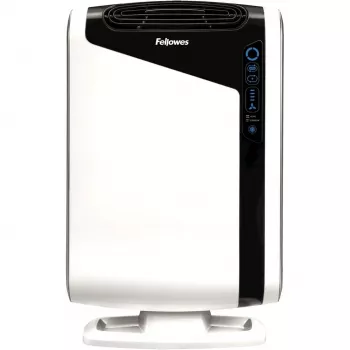
- Large Room Air Purifier with True HEPA Filter, 4-Stage Filtration — Designed to combine particle capture and odor reduction layers in one system for everyday home use. Setup tip: start at a higher speed for an initial cleanup, then reduce to a comfortable continuous setting.
- 3-Chamber Wall Mounted Shower Dispenser — A simple way to reduce shower clutter and keep soaps and shampoos organized for quicker cleaning routines.
- Calvin Klein Black Print Backpack with Zip — A practical carry option for commuting or travel days when you want essentials contained and easy to grab.
Quick checklist before buying
| Need | What to check | Why it matters |
|---|---|---|
| Large room cleaning | Coverage guidance and CADR/airflow info | Determines how quickly air is cleaned |
| Allergy support | True HEPA stage present | Improves fine particle capture |
| Odor control | Activated carbon stage | Helps reduce lingering smells |
| Low upkeep | Filter availability and reminders | Simplifies long-term maintenance |
FAQ
How often should the HEPA and carbon filters be replaced?
HEPA filters are commonly replaced about every 6–12 months, while carbon filters often need replacement sooner if cooking, smoke, or pet odors are frequent. The best schedule depends on your home’s dust and odor load, so follow the manufacturer’s guidance and any filter indicator on the unit.
Will a true HEPA air purifier remove odors and VOCs?
True HEPA filtration is designed for particles, not gases, so it won’t remove odors and VOCs on its own. Odor and VOC reduction is primarily handled by activated carbon, and effectiveness depends on carbon capacity and how often the carbon is replaced.
Where should an air purifier be placed in a large room?
Place it with clear space around the intake and outlet so air can circulate, and avoid tucking it into blocked corners. In large or open layouts, a more central spot or positioning near a major source (kitchen, pet area, or a high-traffic pathway) can improve overall mixing and performance.














Leave a comment