


113,000 RPM High-Speed Hair Dryer: Fast, Smooth Blowouts
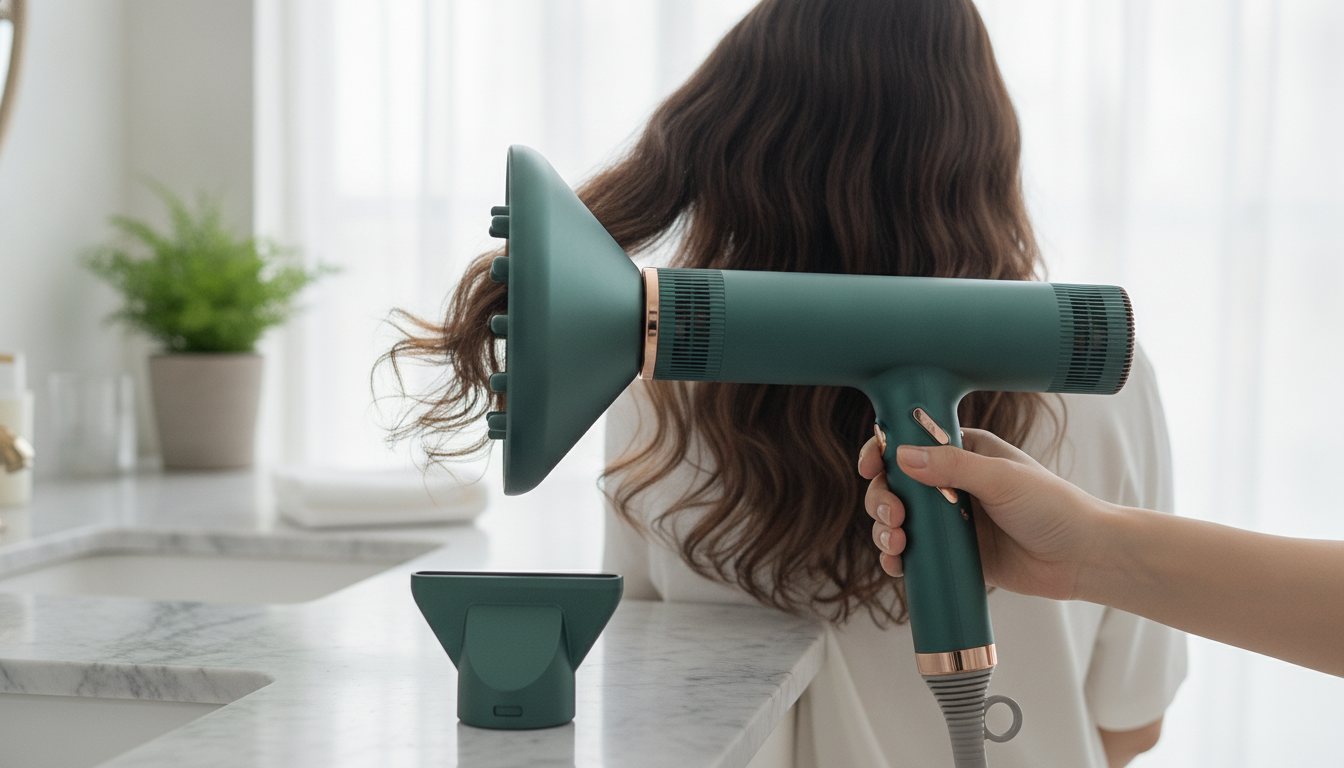
High-Speed Professional Hair Dryer 113,000 rpm/min: Fast Drying, Smooth Finish, Salon-Ready Control
A high-speed professional dryer is built for quicker dry times, better control while styling, and more consistent results across hair types. A motor rated at 113,000 rpm/min is designed to push air with authority—helping move water off the hair efficiently so styling becomes more about shaping and finishing than simply trying to get hair dry. Below is a practical guide to what that kind of performance can look like day to day, how to choose settings that support hair health, and what to look for in comfort, attachments, and upkeep.
What a 113,000 rpm/min motor changes in real use
Motor speed (rpm) isn’t the whole story, but a higher-speed motor typically supports stronger, steadier airflow. In real use, that often shows up as faster water evaporation—especially when you pair high airflow with the lowest heat that still feels effective for your hair type.
Stronger airflow also improves control. Instead of “cooking” one spot with high heat to force dryness, you can let airflow do the heavy lifting while you guide the hair with a brush. That can be especially helpful when smoothing around the hairline or polishing ends, where lingering heat tends to cause frizz or dryness.
Technique still matters. Towel-dry thoroughly first (microfiber or soft cotton), work in sections, and aim the airflow down the hair shaft for a sleeker finish. For thick or long hair, the biggest time savings are usually in the early stage—getting from wet to damp quickly—so the rest of the blowout is calmer, more precise, and less rushed.
Drying performance: airflow, heat, and control
Airflow is what physically moves water away from the hair; heat supports that process by warming the water so it evaporates more easily. When airflow is strong, a balanced approach (higher airflow, moderate heat) often feels faster and looks smoother than max heat alone.
Practical setting combinations by hair type
- Most hair types: Start with higher airflow and moderate heat until hair is mostly dry, then reduce heat for finishing passes to smooth the cuticle and set shape.
- Fine hair: Use lower heat and controlled airflow to avoid over-drying the ends. Finish early and let residual warmth in the hair do the last bit of work.
- Curly/textured hair: Controlled airflow helps prevent frizz. If a diffuser is available, use low-to-medium heat and avoid rough handling that disrupts curl pattern.
If a concentrator nozzle is included, it’s the go-to for sleek blowouts because it narrows airflow for precision. That concentrated stream also helps you keep the air direction consistent (down the strand), which is key for shine.
Hair health and heat damage: smarter setting choices
Fast drying can support healthier styling when it reduces the total time your hair spends under heat. The goal is efficiency without “hot spots.” The American Academy of Dermatology Association recommends practical habits like limiting excessive heat and protecting hair to help prevent damage.
- Start with thorough towel-drying: Blot and squeeze—don’t aggressively rub—to reduce frizz and cut down heat exposure time.
- Keep the nozzle moving: Avoid holding high heat on one area; small, continuous movements help prevent over-drying.
- Maintain distance: A small buffer between the dryer and hair/scalp reduces concentrated heat on the roots.
- Use heat protectant: Especially helpful for frequent blow-drying or whenever you use higher heat for shaping.
- Finish cool: A cool shot (or coolest setting) can help reduce flyaways and give a smoother-looking finish.
If you have a sensitive scalp, rely more on airflow for lift at the roots and save higher heat for mid-lengths and ends where you’re shaping the style—not parked at the scalp.
Attachments and styling approaches
Attachments aren’t just extras; they change how controllable the dryer feels.
Two quick routines for better results
Comfort, noise, and day-to-day handling
Care and longevity: keeping airflow strong
- Clean the filter regularly: Weekly to monthly is a practical range depending on dust, pets, and how often you style.
- Unplug before cleaning: Follow the manufacturer’s steps for removing any covers and clearing lint safely.
- Protect the cord: Avoid tight wrapping around the dryer body; loose loops help prevent internal strain.
- Store safely: Keep the dryer dry and away from splashes; general electrical safety guidance from the U.S. Consumer Product Safety Commission is a helpful baseline.
Specifications at a glance
| Item | Details |
|---|---|
| Product | High-Speed Professional Hair Dryer 113,000 rpm/min |
| Motor speed | 113,000 rpm/min |
| Price | 314.95 USD |
| Availability | In stock |
| Product page | View listing |
In-stock picks for a streamlined routine
- High-Speed Professional Hair Dryer 113,000 rpm/min — built for fast drying and controlled finishing.
- 3-Chamber Wall Mounted Shower Dispenser — a simple way to keep shampoo/conditioner/body wash organized and within reach, especially in smaller bathrooms.
FAQ
What does rpm/min mean for a hair dryer?
It refers to the motor’s rotation speed (revolutions per minute). Higher rpm can support stronger, steadier airflow, but real-world results also depend on heat settings, nozzle design, and how you section and direct the airflow.
Is a higher-speed dryer always better for hair health?
Not automatically. Faster drying can reduce total time under heat, but using excessive heat or holding the dryer too close can still cause dryness and breakage; moderate heat, constant movement, and a heat protectant are key.
How often should the filter be cleaned on a high-speed dryer?
Plan on weekly to monthly depending on how often you use it and how dusty your space is. If airflow feels weaker or the dryer body seems hotter than usual, clean the filter sooner—always unplug first before any maintenance.














Leave a comment